
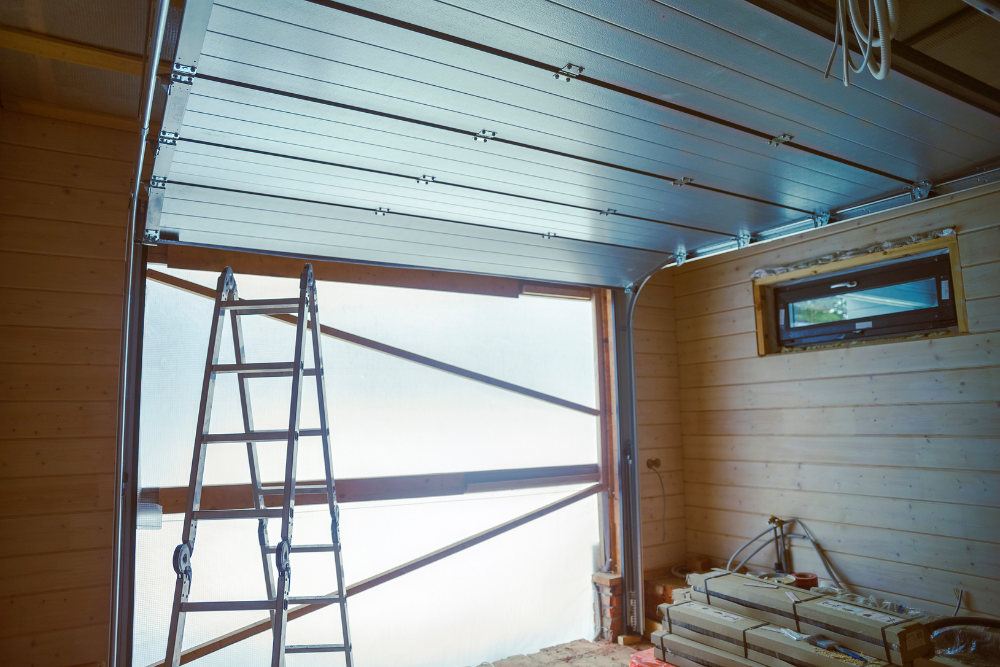
Weather plays a bigger role in garage door performance than many homeowners realize. From freezing temperatures in winter to extreme summer heat and heavy seasonal storms, changing weather conditions can place stress on nearly every component of a garage door system. Over time, these environmental factors increase the likelihood of wear, malfunction, and the need for garage door repair.
Understanding how different weather conditions affect your garage door can help you spot early warning signs and reduce the risk of sudden breakdowns. This guide explains how cold, heat, humidity, and storms influence garage door repair needs throughout the year and what homeowners can do to stay ahead of problems.
How Cold Weather Impacts Garage Door Systems
Cold weather is one of the most common causes of seasonal garage door repair calls. When temperatures drop, metal components contract. Garage doors rely on metal springs, tracks, hinges, and rollers to operate smoothly. As these materials contract, tension levels can change, especially within the spring system.
Garage door springs are carefully calibrated to balance the weight of the door. When temperatures fall, the increased tension caused by metal contraction can push already worn springs closer to failure. This is why many homeowners experience broken springs during colder months. A loud snapping sound or a door that suddenly refuses to open may indicate that a spring has reached its limit.
Lubrication also behaves differently in freezing temperatures. Grease and lubricants can thicken when exposed to cold air, reducing their ability to reduce friction between moving parts. As a result, homeowners may notice slower movement, grinding noises, or jerky operation during winter. If the door feels heavier than usual or struggles to open fully, lubrication issues could be contributing to the problem.
Cold weather can also affect electronic components. Safety sensors and garage door openers may become less responsive in extreme temperatures. Condensation buildup inside the opener housing can interfere with circuitry, while temperature-related stiffness in mechanical parts can increase strain on the motor. These combined factors often lead to increased garage door repair needs during winter months.
How Heat Affects Garage Door Performance
While cold weather presents its own challenges, high temperatures can be equally demanding on garage door systems. In regions with intense summer heat, garage door components expand. This expansion may cause slight shifts in alignment, especially in metal tracks and brackets.
When tracks expand unevenly, the door may not glide as smoothly as it should. Homeowners might notice rubbing sounds, resistance during operation, or uneven closing. Over time, these alignment issues can accelerate wear on rollers and hinges, increasing the need for garage door repair.
Heat can also impact garage door panels. Steel and aluminum doors may expand slightly under prolonged exposure to sunlight. In insulated doors, extreme heat can affect bonding materials between layers. Although these changes are often subtle, repeated expansion and contraction cycles throughout the year can weaken structural integrity.
Garage door openers are also vulnerable to overheating. Motors that are exposed to high garage temperatures must work harder, particularly if the door is already under strain from misalignment or lack of lubrication. Excessive heat can shorten the lifespan of internal components, leading to intermittent operation or complete motor failure. In many cases, homeowners may first notice that the opener hesitates or stops mid-cycle before requiring professional garage door repair.
Humidity, Rain, and Rust Formation
Moisture is another major contributor to garage door repair needs. Humidity and rain create ideal conditions for rust and corrosion, especially on springs, cables, and metal hardware. Over time, even small amounts of rust can weaken essential components.
Springs and lift cables are particularly susceptible to corrosion. As rust develops, it compromises the structural strength of the metal. This can increase the likelihood of sudden breakage, often without much warning. A rusty cable may fray before snapping, while a corroded spring may lose its elasticity and balance.
Tracks and hinges can also develop rust buildup. As corrosion accumulates, it creates rough surfaces that interfere with smooth movement. This may lead to grinding noises or resistance during operation. If left untreated, rust-related damage can escalate from minor wear to full component replacement.
Wood garage doors face a different set of moisture-related challenges. High humidity and prolonged rain exposure can cause wooden panels to swell. When panels expand unevenly, the door may become misaligned within the frame. This can create sticking issues, uneven gaps, or difficulty closing fully. Over time, repeated swelling and shrinking cycles can lead to cracking or warping, increasing the need for garage door repair.
Weather seals and bottom rubber strips are also vulnerable to moisture damage. When seals deteriorate, water can seep into the garage, affecting interior flooring and stored belongings. Damaged seals may also reduce insulation efficiency, allowing drafts to enter during colder seasons.
Storm and Wind Damage Risks
Severe weather events such as thunderstorms, high winds, and hail can cause immediate and visible damage to garage doors. Because garage doors are large exterior surfaces, they absorb significant impact during storms.
Strong winds can place pressure on the door panels and tracks. If the door is not properly reinforced, gusts may cause misalignment or structural stress. In extreme cases, high winds can push a door off its tracks entirely, creating a serious safety hazard that requires urgent garage door repair.
Flying debris during storms can dent or puncture door panels. Even minor impact damage can affect balance and alignment. Dented panels may not distribute weight evenly, forcing the opener to work harder during operation. Over time, this added strain can lead to mechanical failure.
Electrical storms can also affect garage door openers. Power surges caused by lightning strikes may damage internal circuitry, leading to malfunctioning remotes or unresponsive motors. While surge protectors can reduce risk, severe electrical events may still result in the need for professional garage door repair.
Seasonal Shifts and Repeated Expansion Cycles
One often overlooked factor is the cumulative effect of seasonal shifts. Garage doors experience repeated cycles of expansion and contraction as temperatures fluctuate between seasons. These repeated movements gradually loosen bolts, shift brackets, and affect spring tension.
Over months and years, these subtle changes add up. A door that once operated quietly may begin to rattle or vibrate. Small misalignments may increase wear on rollers and hinges. Without routine maintenance, minor seasonal effects can evolve into larger mechanical issues requiring repair.
Homeowners who notice new noises or uneven movement after a seasonal change should not ignore these signs. Addressing small problems early can prevent more significant garage door repair needs later.
Preventative Steps to Reduce Weather-Related Damage
Although weather cannot be controlled, preventative care can reduce its impact. Regular inspections allow homeowners to spot early signs of rust, misalignment, or wear before they escalate.
Applying appropriate lubrication to moving parts helps maintain smooth operation in both cold and hot conditions. Lubrication reduces friction and protects metal components from moisture exposure. It also minimizes strain on the opener motor.
Inspecting weather seals and replacing worn rubber strips can prevent water intrusion and improve insulation efficiency. Ensuring proper drainage around the garage area can further reduce moisture exposure during heavy rain.
Testing door balance periodically is another valuable step. An unbalanced door places extra strain on springs and the opener. If the door does not stay in place when manually lifted halfway, professional adjustment may be necessary.
Routine maintenance not only reduces the likelihood of sudden breakdowns but also extends the overall lifespan of the system.
When Weather-Related Issues Require Professional Garage Door Repair
While homeowners can manage basic maintenance, certain weather-related problems require professional attention. Broken springs, frayed cables, severely rusted components, and off-track doors should never be handled without proper tools and training.
Attempting complex repairs without expertise can lead to serious injury. Garage door springs operate under high tension, and improper handling can cause sudden release of stored energy. Similarly, track realignment requires precision to ensure safe operation.
Electrical issues related to storm damage or overheating openers should also be assessed by experienced technicians. Diagnosing motor problems or circuit damage often involves specialized equipment and technical knowledge.
If a garage door begins operating inconsistently after a major weather event, scheduling a professional inspection can prevent further damage. Early intervention reduces repair costs and restores safe functionality more quickly.
Protecting Your Garage Door Year-Round
Weather is an unavoidable factor in garage door performance. From freezing winters to humid summers and powerful storms, environmental conditions continuously influence the mechanical and structural components of your system. By understanding how weather affects garage door repair needs, homeowners can respond proactively rather than reactively.
Staying attentive to unusual noises, uneven movement, and seasonal performance changes can help identify small problems before they escalate. Routine maintenance and timely professional service play a crucial role in preventing major breakdowns.
If your garage door has been affected by changing weather conditions, The Garage Door Xperts are equipped to diagnose and resolve a wide range of issues. With experience handling weather-related wear, structural damage, and mechanical failures, their team provides reliable garage door repair solutions designed to restore safe and smooth operation. Whether you are dealing with storm damage, rusted components, or seasonal performance changes, The Garage Door Xperts can help ensure your garage door remains dependable year-round.